
“Which module owns this table?”
The agent searches 416 APIs and 796 files, then guesses from a similar old implementation.
search
search
search
search
search
AI coding context, made routable
Flow2Spec gives AI development tools a documented collaboration layer. Route each request to the facts that matter, then start changing code.
The context problem
Project constraints live in code, docs, chat and someone's memory. A new session starts from zero, and more searching means more opportunities to misread the system.
The agent searches 416 APIs and 796 files, then guesses from a similar old implementation.
Read verified facts first, then open only the files that need to change.
One small layer, four jobs
Each layer does one job. Together, they give AI collaboration continuity across a team.
A shared base of APIs, boundaries, data rules and workflows.
.Knowledge/topics/*.mdEach developer's local progress, context and user todos.
.task/<developerId>/One entrypoint, one set of gates, across every agent.
AGENTS.md · .codex/Reusable workflows for clarifying, building, fixing, syncing and committing.
f2s-*Progressive routing
Don't pour the repository into the model. Match, expand dependencies, and read only the facts relevant to this request.
More context isn't always better.
It should be just enough, and useful again tomorrow.
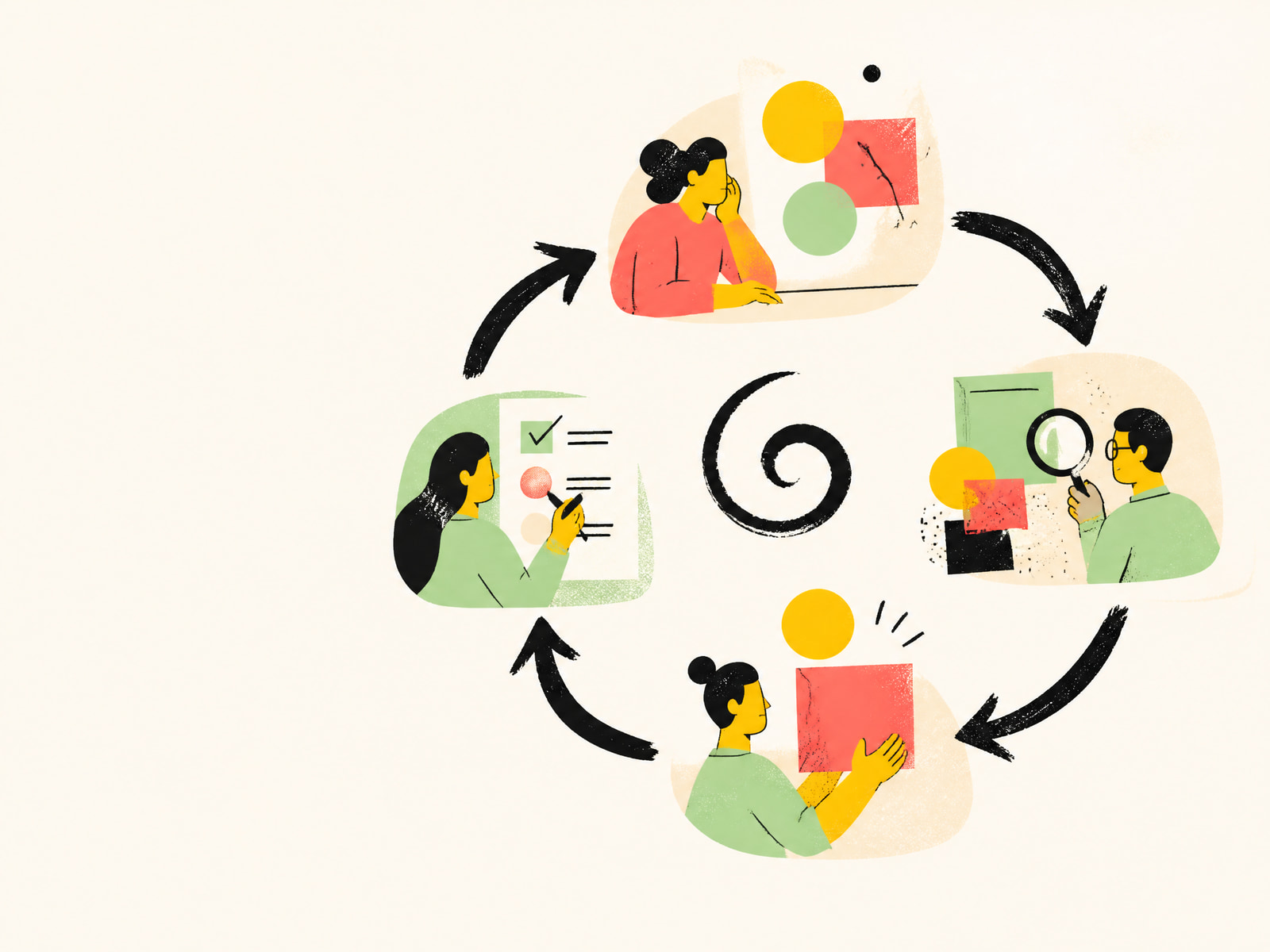
A living development loop
The knowledge base grows through real development: verified, revised, and accurately routed into the next request.
Built for shared repositories
Progress stays local to each developer. Confirmed project facts live in shared `.Knowledge/`, so personal todos never become product knowledge.
Explore team collaborationA calmer first run
You do not need a complete knowledge base first. Initialize, route one real request, and leave behind the first verified fact.
npm i -g @double-coding/flow2spec && flow2spec initWrite the knowledge base, rules and supported tool entrypoints into the project.
Start with a real module or change. Build topic facts as they become relevant instead of writing everything up front.
Confirm the routes, topics and revisions are healthy, then turn this verified fact into a shortcut for the next request.
Keep exploring
From installation to collaboration, choose what to explore next.